
Posted on May 11, 2026
Image Credit:
Image Credit:
File ID 61878391 | © Petar Dojkic | Dreamstime.com
Share: 


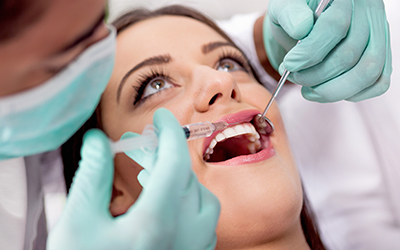
Loose teeth in adults are often a sign of advanced gum disease rather than a temporary issue. This condition typically develops when bacteria accumulate beneath the gumline, leading to inflammation, infection, and damage to the structures that hold teeth in place. A gum infected around tooth can weaken the surrounding tissues and bone, causing teeth to feel unstable. Seeking timely care, including periodontitis treatment Portsmouth services or similar specialized support, can help prevent further deterioration and preserve natural teeth.
Tooth mobility is most commonly associated with progressive gum disease, which damages the periodontal ligaments and supporting bone. As infection worsens, the body’s inflammatory response begins to break down these essential structures. Without intervention, the condition can lead to significant bone loss and eventual tooth loss.
Other contributing factors may include poor oral hygiene, smoking, systemic health conditions, and untreated dental infections. When a gum infected around tooth is left untreated, bacteria can spread deeper into the gums, accelerating tissue destruction. Early diagnosis and appropriate periodontal disease treatment are essential to controlling these effects.
Periodontal disease treatment is designed to eliminate infection, reduce inflammation, and restore the health of the gums and supporting bone. The first step typically involves a comprehensive evaluation to assess gum pocket depth and the extent of damage.
For patients experiencing tooth mobility, controlling the infection is critical. Procedures such as scaling and root planning remove plaque and bacteria from beneath the gumline, allowing tissues to heal. Patients undergoing periodontitis treatment in Portsmouth often notice reduced swelling and improved gum attachment as healing progresses.
The specific treatment approach depends on the severity of the disease and the level of structural damage. Dental professionals may recommend a combination of non-surgical and surgical techniques to stabilize loose teeth.
Common treatment methods include:
These approaches work together to address the root cause of instability. When a gum infected around tooth is treated effectively, the surrounding tissues can begin to recover and provide stronger support.
Stabilization occurs when inflammation is reduced and the supporting structures begin to heal. As bacteria are removed and gum tissue tightens around the tooth, mobility may decrease significantly. In some cases, regenerative treatments are used to rebuild areas affected by bone loss, further enhancing stability.
Consistent periodontal disease treatment helps prevent ongoing damage and supports long-term improvements. Patients receiving periodontitis treatment in Portsmouth often experience better gum health and reduced risk of tooth loss when they follow their treatment plan closely.
Addressing periodontal issues early greatly improves treatment outcomes. According to the Centers for Disease Control and Prevention (CDC), nearly half of adults aged 30 and older have some form of periodontal disease (CDC.gov). This highlights the importance of regular dental visits and early intervention.
Symptoms such as bleeding gums, persistent bad breath, and loose teeth should prompt immediate evaluation. A gum infected around tooth can worsen quickly if left untreated, making early care essential for preserving natural teeth.
After treatment, maintaining gum health is critical for keeping teeth stable. Patients play a key role in preventing recurrence by following proper oral hygiene practices and attending regular maintenance visits.
To support long-term stability, patients should:
Ongoing care ensures that any signs of recurrence are addressed promptly. Continued periodontal disease treatment when necessary helps protect the progress achieved through initial therapy.
Loose teeth do not always mean tooth loss is inevitable. With prompt and effective care, periodontal treatment can restore stability and improve overall dental health. Addressing infection, repairing damaged tissues, and maintaining consistent oral hygiene are key steps in preserving a healthy smile. Patients who pursue periodontitis treatment in Portsmouth and remain committed to ongoing care can achieve lasting results and improved confidence in their oral health.
File ID 61878391 | © Petar Dojkic | Dreamstime.com
Share:
We offer a variety of quality periodontal and reconstructive services. As we work with each client and other dental providers we personalize patient treatment plans to satisfy patient needs. We pride ourselves on providing cutting edge treatment including conventional and laser periodontal services, soft and hard tissue grafting and management, and dental implants. - Portsmouth, NH Periodontist
Phone:603-427-8383
Fax: 603-501-0595
email:info@coastalperiosurgery.com
25 New Hampshire Ave. Suite #285
Portsmouth, NH 03801


