
Posted on Apr 13, 2026
Image Credit:
Image Credit:
File ID 16537735 | © Pressmaster | Dreamstime.com
Share: 


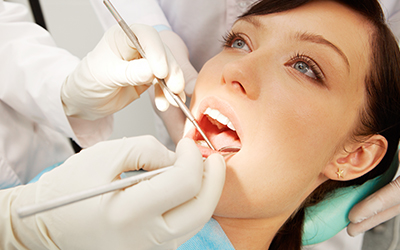
Gum health plays a vital role in preserving natural teeth, yet many patients are unaware of how quickly periodontal issues can progress. When gum disease in Portsmouth advances beyond early stages, non-surgical treatments may no longer be sufficient. In these cases, gum surgery becomes an essential option to restore oral health and prevent permanent tooth loss.
Periodontal disease develops when bacteria accumulate beneath the gumline, leading to inflammation, infection, and eventual damage to supporting structures. Without timely care, this condition can result in gum recession, bone loss, and tooth instability. According to the Centers for Disease Control and Prevention (CDC), nearly half of adults aged 30 and older show signs of periodontal disease, highlighting the importance of early and effective treatment.
When gum disease in Portsmouth reaches advanced stages, procedures such as periodontal treatment and surgical intervention may be necessary to remove infection and protect remaining tissue.
Gum surgery is typically recommended when conservative treatments like scaling and root planing are no longer effective. At this stage, deep pockets form between the teeth and gums, making it difficult to eliminate bacteria through routine cleaning alone.
In these situations, timely surgical intervention can prevent further deterioration and improve the likelihood of saving natural teeth.
Several surgical techniques are used depending on the severity of the condition. These procedures aim to eliminate infection, restore gum tissue, and rebuild supporting structures.
A bone graft dental procedure is particularly important when bone loss threatens the stability of teeth. By regenerating bone tissue, it creates a stronger foundation for natural teeth and, if necessary, future dental implants in Portsmouth.
Whenever possible, preserving natural teeth remains the primary goal of periodontal care. Gum surgery offers a way to stabilize teeth that might otherwise require extraction. Addressing infection and rebuilding support structures allows patients to maintain their natural bite and avoid more extensive restorative procedures.
However, in cases where damage is too advanced, replacement options such as dental implants in Portsmouth may be considered. Even then, procedures like bone graft dental treatments are often necessary to prepare the jaw for successful implant placement.
Prompt diagnosis and treatment significantly improve outcomes. Patients who address gum disease in Portsmouth early are more likely to avoid extensive surgery and preserve their natural teeth.
Regular dental visits and attention to early symptoms, such as bleeding gums or sensitivity, can make a meaningful difference in treatment success.
Following gum surgery, maintaining results requires consistent oral hygiene and professional care. Patients are typically advised to follow a personalized maintenance plan that includes routine cleanings and monitoring.
Ongoing periodontal treatment helps ensure that infection does not return and that the gums remain healthy. In some cases, additional procedures like bone graft dental support or evaluation for dental implants in Portsmouth may be part of a comprehensive long-term plan.
Gum surgery is not simply a last resort—it is a highly effective solution for preserving natural teeth when periodontal disease progresses. By addressing underlying infection and restoring structural support, patients can protect their oral health and maintain their smiles for years to come.
File ID 16537735 | © Pressmaster | Dreamstime.com
Share:
We offer a variety of quality periodontal and reconstructive services. As we work with each client and other dental providers we personalize patient treatment plans to satisfy patient needs. We pride ourselves on providing cutting edge treatment including conventional and laser periodontal services, soft and hard tissue grafting and management, and dental implants. - Portsmouth, NH Periodontist
Phone:603-427-8383
Fax: 603-501-0595
email:info@coastalperiosurgery.com
25 New Hampshire Ave. Suite #285
Portsmouth, NH 03801


