Posted on Nov 23, 2026
Image Credit:
Image Credit:
Medical Marketing Guru
Share: 


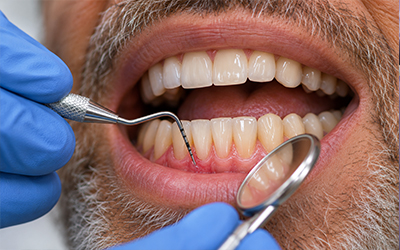
A healthy bite depends on more than properly aligned teeth. The gums, periodontal ligaments, and jawbone work together to support each tooth and maintain stability during chewing and speaking. When these supporting structures become damaged, teeth may gradually shift, loosen, or change how they contact one another.
Periodontal disease is a leading cause of damage to the structures supporting natural teeth. Patients researching gum disease in Portsmouth may not realize that untreated gum inflammation can eventually affect their bite and everyday oral function.
Understanding this connection can help patients recognize warning signs and seek appropriate care before significant changes occur.
Each natural tooth is anchored in the jawbone by periodontal ligaments, which connect the tooth root to the surrounding bone. Healthy gum tissue helps protect these structures from harmful bacterial buildup.
Together, these tissues provide the support necessary for stable tooth positioning and comfortable chewing.
When inflammation develops around the teeth, the supporting tissues can become compromised. Early gingivitis primarily affects the gums, but untreated inflammation may progress into periodontitis.
Advanced gum disease can damage the periodontal ligaments and bone, reducing the support that keeps teeth securely positioned.
Maintaining healthy gums is therefore essential for preserving both tooth stability and proper bite function.
One of the most significant complications of advanced periodontitis is the gradual loss of bone surrounding the teeth.
As periodontal bone loss progresses, teeth may become less stable and more susceptible to movement under normal chewing forces.
Some patients notice that spaces begin developing between teeth, while others experience changes in how their upper and lower teeth meet.
These changes may affect bite alignment and make chewing less comfortable or efficient.
Patients searching for a periodontist near me should understand that unexplained tooth movement may indicate an underlying periodontal concern requiring professional evaluation.
Early treatment can help control disease progression and protect the remaining supporting structures.
Periodontal disease often develops gradually, and changes in bite stability may not be immediately noticeable.
However, certain symptoms can indicate that the supporting tissues are becoming compromised.
Patients should pay attention to warning signs such as:
These symptoms do not always indicate periodontal disease, but they should be evaluated promptly.
Individuals concerned about gum infection in Portsmouth can benefit from understanding that infection and inflammation may contribute to progressive tissue damage when left untreated.
When periodontal support weakens, normal biting and chewing forces may contribute to unwanted tooth movement.
This process, sometimes called pathologic tooth migration, can cause teeth to tilt, separate, or shift from their original positions.
In some cases, patients may develop new gaps between their front teeth or notice changes in their smile.
These movements can create uneven pressure across the remaining teeth, potentially making chewing less comfortable.
Professional periodontal treatment focuses on controlling infection and inflammation while evaluating the stability of the affected teeth.
Patients researching gum disease in Portsmouth should recognize that correcting tooth position alone does not address active periodontal disease. The underlying condition must be appropriately managed to support lasting results.
A comprehensive periodontal examination helps determine whether gum disease is contributing to changes in tooth stability.
During an evaluation, a periodontist may measure periodontal pocket depths, assess gum recession, check tooth mobility, and review dental imaging to evaluate supporting bone levels.
These findings help determine the severity of disease and guide treatment recommendations.
Patients searching for a periodontist near me may benefit from an assessment when they experience unexplained tooth movement, persistent gum inflammation, or changes in chewing comfort.
Early diagnosis provides an opportunity to address periodontal concerns before additional damage occurs.
Treatment recommendations depend on the severity of periodontal disease and the condition of the supporting tissues.
For some patients, scaling and root planing can help remove bacterial deposits beneath the gumline and reduce inflammation.
More advanced cases may require surgical periodontal procedures or additional treatment to address persistent infection and structural damage.
The primary goal of gum disease treatment is to control disease activity and preserve the remaining tissues supporting the teeth.
Although treatment can improve periodontal health, lost bone and established tooth movement do not always reverse naturally.
Some patients may require additional restorative, orthodontic, or bite-related treatment after their periodontal condition has stabilized.
Consistent maintenance is essential because periodontitis can recur or progress without appropriate long-term care.
Patients can support their periodontal health through several preventive habits:
Regular periodontal maintenance helps dental professionals monitor tissue health, manage bacterial buildup, and identify changes in tooth stability.
Patients concerned about gum infection in Portsmouth should understand that continued monitoring is important even after initial treatment has been completed.
Periodontal disease can affect much more than the appearance of the gums. As supporting tissues deteriorate, teeth may become mobile, shift position, and create changes in bite stability.
At Coastal Periodontics, understanding the relationship between periodontal health and tooth support can help patients make informed decisions about protecting their smiles.
Whether researching gum disease in Portsmouth, seeking information about gum infection in Portsmouth, or searching for a periodontist near me, timely professional evaluation is an important step toward preserving natural teeth.
By addressing periodontal inflammation early and maintaining consistent care, patients can help protect their bite, improve chewing comfort, and support long-term oral health.
Medical Marketing Guru
Share:
We offer a variety of quality periodontal and reconstructive services. As we work with each client and other dental providers we personalize patient treatment plans to satisfy patient needs. We pride ourselves on providing cutting edge treatment including conventional and laser periodontal services, soft and hard tissue grafting and management, and dental implants. - Portsmouth, NH Periodontist
Phone:603-427-8383
Fax: 603-501-0595
email:info@coastalperiosurgery.com
25 New Hampshire Ave. Suite #285
Portsmouth, NH 03801


