
Posted on Aug 10, 2026
Image Credit:
Image Credit:
File ID 48950120 | © Skyfotostock | Dreamstime.com
Share: 


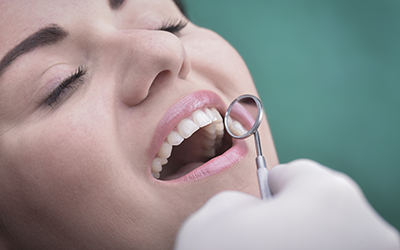
A healthy smile depends on more than strong teeth. Healthy gums and the supporting bone are equally important for maintaining long-term oral health. A comprehensive periodontal evaluation gives your dental specialist a complete picture of your gum health, helping identify concerns before they become more serious. Whether you are seeking periodontal disease treatment, exploring options for a tooth implant in Portsmouth, or simply maintaining your smile, understanding what happens during this evaluation can help you feel more confident about your care.
Many forms of gum disease develop gradually and may not cause noticeable symptoms in the early stages. Even if your teeth feel fine, inflammation below the gumline can slowly damage the tissues and bone supporting your teeth.
A comprehensive evaluation allows your periodontist to identify early warning signs, determine the severity of any disease, and develop a personalized treatment plan. Early diagnosis often leads to simpler, more conservative treatment while helping preserve your natural teeth.
Every periodontal evaluation begins with a discussion about your overall health. Certain medical conditions, medications, and lifestyle habits can influence your oral health and affect healing after treatment.
Your provider may ask about:
This information helps ensure that any recommended periodontal disease treatment is both safe and effective for your individual needs.
A thorough clinical examination focuses on the health of your gums and supporting structures. Using a specialized periodontal probe, your provider gently measures the spaces, known as periodontal pockets, between your teeth and gums. Healthy pockets are generally shallow, while deeper pockets may indicate gum disease.
During the examination, your periodontist also evaluates:
These measurements create a baseline for monitoring your oral health over time and determining the most appropriate course of care.
Because periodontal disease treatment often involves preserving the bone supporting your teeth, dental X-rays are an essential part of a comprehensive evaluation. Digital imaging allows your provider to assess bone levels, detect hidden infections, and identify areas where bone loss may have occurred.
If you are considering a tooth implant in Portsmouth, evaluating available bone is especially important. Adequate bone support is one of the key factors in determining whether dental implants are an appropriate option or whether additional procedures, such as bone grafting, may be recommended beforehand.
After completing the examination, your periodontist reviews the findings and explains any recommended treatment. Every patient receives an individualized care plan based on the severity of the condition and overall oral health.
Treatment recommendations may include scaling and root planing, ongoing periodontal maintenance, improved home care techniques, surgical therapy for advanced disease, or preparation for dental implants. Patients who have experienced significant tooth loss may also discuss options for denture implants in Portsmouth to improve comfort, stability, and function.
If replacing multiple missing teeth is part of your treatment plan, denture implants in Portsmouth can provide greater chewing efficiency and confidence compared to traditional removable dentures.
A comprehensive periodontal evaluation is not only about diagnosing existing problems—it also helps prevent future complications. Regular evaluations allow your dental team to monitor changes in your gums, identify concerns early, and keep your treatment plan up to date as your oral health needs evolve.
Whether you are receiving routine preventive care, managing periodontal disease treatment, or preparing for a tooth implant in Portsmouth, ongoing periodontal evaluations are an important investment in your long-term health. Healthy gums provide the foundation for healthy teeth, successful restorations, and lasting smiles.
By partnering with an experienced periodontal specialist and maintaining regular appointments, you can reduce the risk of tooth loss, improve overall oral health, and enjoy greater confidence in your smile for years to come.
Sources
File ID 48950120 | © Skyfotostock | Dreamstime.com
Share:
We offer a variety of quality periodontal and reconstructive services. As we work with each client and other dental providers we personalize patient treatment plans to satisfy patient needs. We pride ourselves on providing cutting edge treatment including conventional and laser periodontal services, soft and hard tissue grafting and management, and dental implants. - Portsmouth, NH Periodontist
Phone:603-427-8383
Fax: 603-501-0595
email:info@coastalperiosurgery.com
25 New Hampshire Ave. Suite #285
Portsmouth, NH 03801


