
Posted on Jul 27, 2026
Image Credit:
Image Credit:
File ID 39469647 | © Nick Freund | Dreamstime.com
Share: 


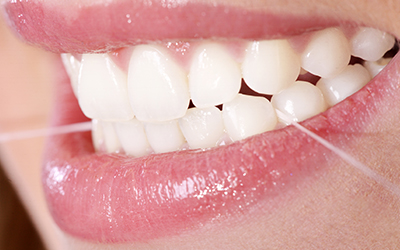
Modern dental restorations are designed to restore the appearance and function of damaged or missing teeth, but their long-term success depends on more than the quality of the restoration itself. Healthy gums and supporting bone provide the foundation that keeps crowns, bridges, and dental implants stable over time. When periodontal disease is left untreated, it can weaken that foundation and place even the best restorations at risk. Understanding the connection between gum health and restorative dentistry can help you protect your investment and maintain a healthy smile.
Every restoration relies on healthy surrounding tissues. Whether you have a crown, bridge, or dental implants, the gums create a protective seal that helps keep bacteria away from the underlying bone and tooth structures. When inflammation develops because of periodontal disease, this protective barrier begins to break down.
The Centers for Disease Control and Prevention (CDC) reports that nearly half of adults aged 30 years and older have some form of periodontal disease, making it one of the most common oral health conditions affecting adults. Early diagnosis and professional gum disease treatment Portsmouth patients rely on can help reduce the risk of long-term complications.
Periodontal disease affects much more than the gums you can see. As the infection progresses, it destroys the bone and connective tissues that anchor teeth in place. Even a well-made crown or bridge may become unstable if the supporting tooth loses surrounding bone.
Untreated periodontal disease may lead to:
Routine periodontal evaluations and preventive care help identify these concerns before they threaten existing dental work.
Like natural teeth, dental implants depend on healthy gums and bone for long-term stability. Although implants cannot develop cavities, the tissues around them remain vulnerable to inflammation. An infection known as peri-implant disease can damage the supporting bone and eventually compromise the implant if left untreated.
Patients considering implants in Portsmouth should understand that managing periodontal disease before implant placement significantly improves the likelihood of long-term success. Experienced implant specialists in Portsmouth evaluate gum health, bone levels, and overall oral condition before recommending implant treatment.
Many restorative procedures represent a significant investment in both time and finances. Protecting those restorations begins with maintaining healthy gums through consistent professional care and good home hygiene.
To help preserve your restorations, consider these important habits:
Receiving timely gum disease treatment Portsmouth providers offer can help prevent minor inflammation from progressing into advanced periodontal disease that threatens your restorations.
Patients often assume that replacing damaged teeth alone will solve their oral health concerns. However, treating the underlying periodontal condition is equally important. Addressing gum disease before restorative treatment creates a healthier environment for healing and improves the long-term outlook for both natural teeth and restorations.
Whether you need a single crown, multiple restorations, or implants in Portsmouth, periodontal health should remain a priority throughout every stage of treatment. Experienced implant specialists in Portsmouth work closely with restorative dentists to ensure the gums and supporting bone are healthy enough to support lasting results.
Maintaining healthy gums through regular examinations, periodontal maintenance, and prompt gum disease treatment Portsmouth patients can trust helps protect your smile for years to come. By preserving the tissues that support your teeth and restorations, you improve both the appearance and durability of your dental work while promoting lifelong oral health.
Sources:
File ID 39469647 | © Nick Freund | Dreamstime.com
Share:
We offer a variety of quality periodontal and reconstructive services. As we work with each client and other dental providers we personalize patient treatment plans to satisfy patient needs. We pride ourselves on providing cutting edge treatment including conventional and laser periodontal services, soft and hard tissue grafting and management, and dental implants. - Portsmouth, NH Periodontist
Phone:603-427-8383
Fax: 603-501-0595
email:info@coastalperiosurgery.com
25 New Hampshire Ave. Suite #285
Portsmouth, NH 03801


