Posted on Jul 13, 2026
Image Credit:
Image Credit:
File ID 43636985 | © Batke82 | Dreamstime.com
Share: 


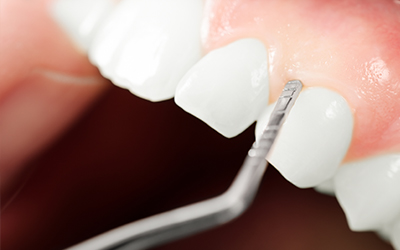
When most people think about healthy gums, they focus on color, bleeding, or tenderness. However, another important factor often goes unnoticed: gum thickness. The thickness of your gum tissue, also known as the gingival biotype or periodontal phenotype, can influence your risk of gum recession, the stability of your teeth, and the long-term success of certain dental treatments. Understanding why gum thickness matters can help you make informed decisions about protecting your smile and maintaining excellent oral health.
Every person has a unique gum phenotype. Some individuals naturally have thick, dense gum tissue, while others have thinner, more delicate gums. Neither is necessarily unhealthy, but thinner gums are generally more susceptible to recession and injury.
The American Academy of Periodontology recognizes that healthy gum tissue provides essential protection for the teeth and underlying bone. When gum tissue recedes, tooth roots become exposed, increasing the risk of sensitivity, decay, and aesthetic concerns.
Regular periodontal evaluations and timely gum disease treatment Portsmouth patients trust can help identify gum issues before they become more advanced.
Thin gum tissue is more vulnerable to everyday stress from brushing, teeth grinding, inflammation, and periodontal disease. Over time, these factors may contribute to gum recession that exposes the roots of the teeth.
Some common problems associated with thin gums include:
Routine periodontal maintenance and professional monitoring help reduce these risks while preserving healthy gum tissue.
Healthy gums are just as important for dental implants as they are for natural teeth. Thick, healthy tissue creates a stronger seal around an implant, helping protect the underlying bone and reducing the risk of bacterial contamination.
Patients considering implants in Portsmouth should understand that adequate gum tissue contributes to both the appearance and long-term stability of implant restorations. In some situations, a periodontist may recommend a soft tissue graft before or during implant treatment to improve long-term outcomes.
Experienced implant specialists Portsmouth patients rely on carefully evaluate both bone volume and gum quality when planning implant placement.
Maintaining healthy gums involves more than brushing and flossing. Lifestyle habits and preventive care also play important roles in preserving gum thickness.
Your daily routine should include:
Professional gum disease treatment Portsmouth providers offer can help control infection before it causes permanent damage to the gums and supporting structures.
If gum recession has already occurred, your periodontist may recommend gum grafting to restore lost tissue. During this procedure, healthy tissue is placed over exposed root surfaces to improve protection, reduce sensitivity, and create a more stable gum line.
Gum grafting is often recommended for patients with progressing recession, exposed roots, or those preparing for implants in Portsmouth who require additional soft tissue support. Modern techniques make the procedure highly predictable and can significantly improve both function and appearance.
Healthy gums provide the foundation for a lifetime of strong teeth and successful restorative care. Whether you are maintaining your natural teeth or considering dental implants, preserving adequate gum thickness helps reduce future complications and supports lasting oral health.
An experienced team of implant specialists in Portsmouth can evaluate your periodontal health, identify areas of concern, and recommend personalized treatment options to protect your smile. From preventive care to advanced gum disease treatment in Portsmouth, early intervention helps preserve healthy gum tissue and provides the best opportunity for long-term success with both natural teeth and implants in Portsmouth.
Sources:
File ID 43636985 | © Batke82 | Dreamstime.com
Share:
We offer a variety of quality periodontal and reconstructive services. As we work with each client and other dental providers we personalize patient treatment plans to satisfy patient needs. We pride ourselves on providing cutting edge treatment including conventional and laser periodontal services, soft and hard tissue grafting and management, and dental implants. - Portsmouth, NH Periodontist
Phone:603-427-8383
Fax: 603-501-0595
email:info@coastalperiosurgery.com
25 New Hampshire Ave. Suite #285
Portsmouth, NH 03801


