Posted on Mar 9, 2026
Image Credit:
Image Credit:
File ID 68859039 | © Designua | Dreamstime.com
Share: 


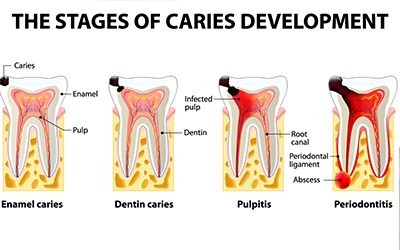
Periodontal disease, commonly known as gum disease, is a progressive infection that affects the tissues supporting your teeth. When left untreated, it can lead to gum recession, bone loss, and eventual tooth loss. According to the Centers for Disease Control and Prevention (CDC), nearly 42 percent of adults aged 30 years and older in the United States have some form of periodontitis (CDC, 2022).
At Coastal Periodontics, patients are often surprised to learn that not all gum disease progresses the same way. The two primary forms—chronic and aggressive periodontitis—differ in onset, progression, and severity. Recognizing the distinction can help you seek timely gum disease treatment and protect your long-term oral health.
Chronic periodontitis is the most common form of periodontal disease. It typically develops slowly over time and is more prevalent in adults, although it can occur at any age. The condition is often associated with plaque buildup, poor oral hygiene, smoking, and certain systemic conditions such as diabetes.
Symptoms of chronic periodontitis may include:
Because it progresses gradually, chronic periodontitis can often be managed successfully with early intervention. Treatments such as scaling and root planing remove plaque and tartar below the gumline, helping to reduce inflammation and infection. In more advanced cases, surgical procedures or regenerative therapies may be necessary.
If bone loss becomes severe, tooth replacement options such as dental implants may be discussed. In some cases, restoring the area may require a tooth implant and bone graft to rebuild adequate bone support before implant placement.
Aggressive periodontitis is less common but more rapid in its progression. It often affects younger individuals who may otherwise appear healthy. Unlike chronic periodontitis, aggressive forms can cause significant bone destruction in a relatively short period of time.
This type of gum disease may be linked to genetic factors and an exaggerated immune response to bacteria. Patients may notice sudden tooth mobility or rapid gum recession even with minimal plaque buildup.
Due to its fast progression, aggressive periodontitis frequently requires more intensive intervention. Prompt evaluation by experienced implant specialists Portsmouth patients trust can help prevent extensive damage. In cases where teeth cannot be saved, timely planning for a tooth implant and bone graft may preserve both function and appearance.
Although both conditions fall under the umbrella of periodontal disease, several distinctions set them apart. Understanding these differences can help patients recognize when to seek care from a qualified dental surgeon near me.
The primary differences include:
Both forms, however, can ultimately lead to tooth loss if left untreated.
Effective management depends on early diagnosis and personalized care. For chronic periodontitis, non-surgical approaches such as scaling and root planing combined with ongoing maintenance visits may be sufficient. Aggressive cases may require surgical intervention to control infection and regenerate lost bone.
When teeth are lost due to advanced disease, modern solutions provide durable restoration. A tooth implant and bone graft procedure can rebuild structural support and allow for stable implant placement. Working with experienced implant specialists Portsmouth patients rely on ensures that both the infection and the underlying bone health are addressed before implant surgery.
Patients searching for a trusted dental surgeon near me should prioritize providers with specialized training in periodontics and implant dentistry. Comprehensive evaluation, including imaging and periodontal assessment, helps determine the most appropriate course of action.
Whether you are experiencing early signs of gum inflammation or advanced symptoms, timely care is essential. Routine dental visits and proper home care remain critical in preventing both chronic and aggressive forms of periodontal disease.
At Coastal Periodontics, individualized treatment plans focus on controlling infection, preserving natural teeth when possible, and restoring function when necessary. With the expertise of skilled implant specialists Portsmouth patients trust and advanced options such as tooth implant and bone graft procedures, patients can regain both comfort and confidence. Seeking evaluation from a qualified dental surgeon near me at the first sign of gum problems can make a meaningful difference in long-term outcomes.
File ID 68859039 | © Designua | Dreamstime.com
Share:
We offer a variety of quality periodontal and reconstructive services. As we work with each client and other dental providers we personalize patient treatment plans to satisfy patient needs. We pride ourselves on providing cutting edge treatment including conventional and laser periodontal services, soft and hard tissue grafting and management, and dental implants. - Portsmouth, NH Periodontist
Phone:603-427-8383
Fax: 603-501-0595
email:info@coastalperiosurgery.com
25 New Hampshire Ave. Suite #285
Portsmouth, NH 03801


